
Corporate & company websites
Present your company, services, team and contact routes so buyers can evaluate your business and speak to the right people.
Web & Commerce
Turn business interest into a clear next step. Busicus designs and develops mobile-friendly websites with editable content, useful service pages and enquiry journeys for Bangladesh and global audiences.
The opportunity
A visitor arriving from an ad should quickly understand your offer, find answers and know how to contact you. Busicus brings content planning, website design and development together around that journey. We help companies launch a first website, rebuild an outdated site or create a focused landing page for a campaign. Your project starts with the audience, the offer and the action that matters: a qualified enquiry, a call, a booking request or an order. We then plan the pages, content and functionality that support it. The result should work for your customers on a phone and for the people updating the website after launch.
Choose your starting point
Start with the job your website needs to do. We can then define the pages, content and features around it.
Present your company, services, team and contact routes so buyers can evaluate your business and speak to the right people.
Match one offer to one enquiry journey, with mobile forms, useful FAQs and a measurement plan for the actions your ad asks people to take.
Explain your expertise, who each service helps and how an engagement starts. Help prospective clients decide whether your team fits their needs.
Organise product information, capabilities, specification downloads and approved credentials around buyer enquiries.
Improve navigation, mobile layouts and editing. Review existing content and URLs, then plan the redirects and checks needed for launch.
Present products and collect quote requests. Cart, payment, delivery and inventory features are defined in a separate e-commerce scope.
Selected live work
Explore websites for businesses across commerce, publishing, services and manufacturing. Each link opens the live project.
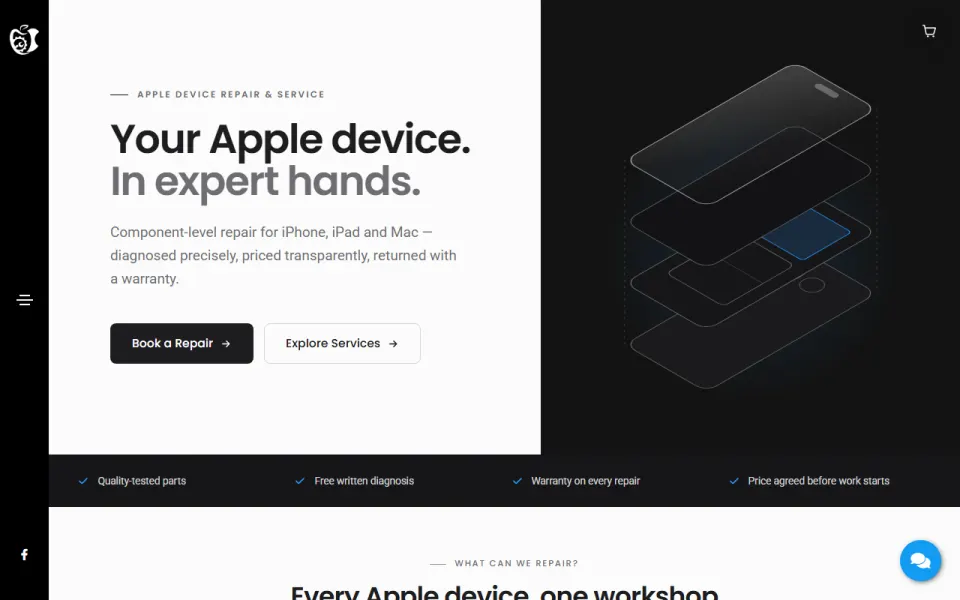
An independent Apple device repair website for customers in Dhaka.
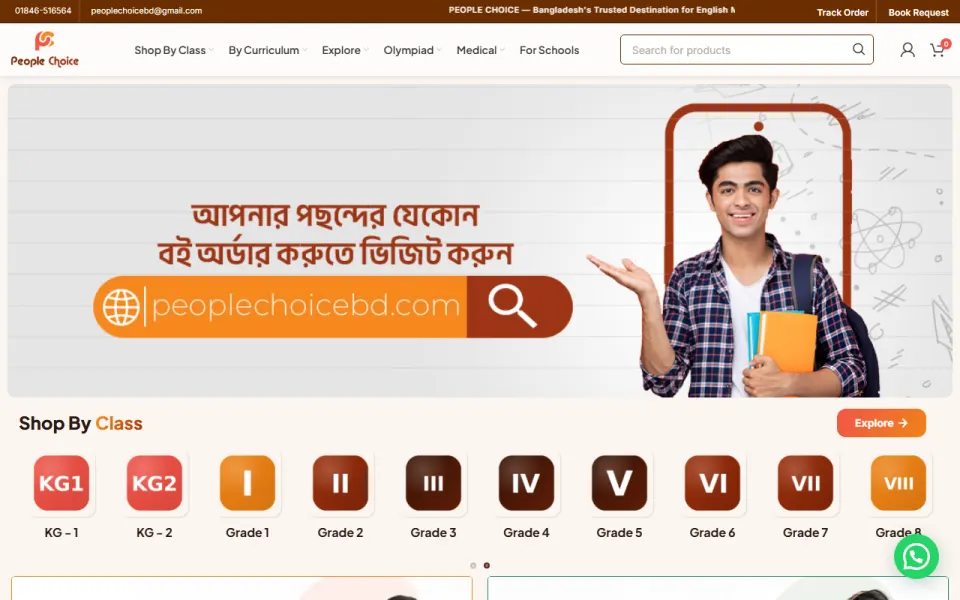
An online destination for English-medium books in Bangladesh.
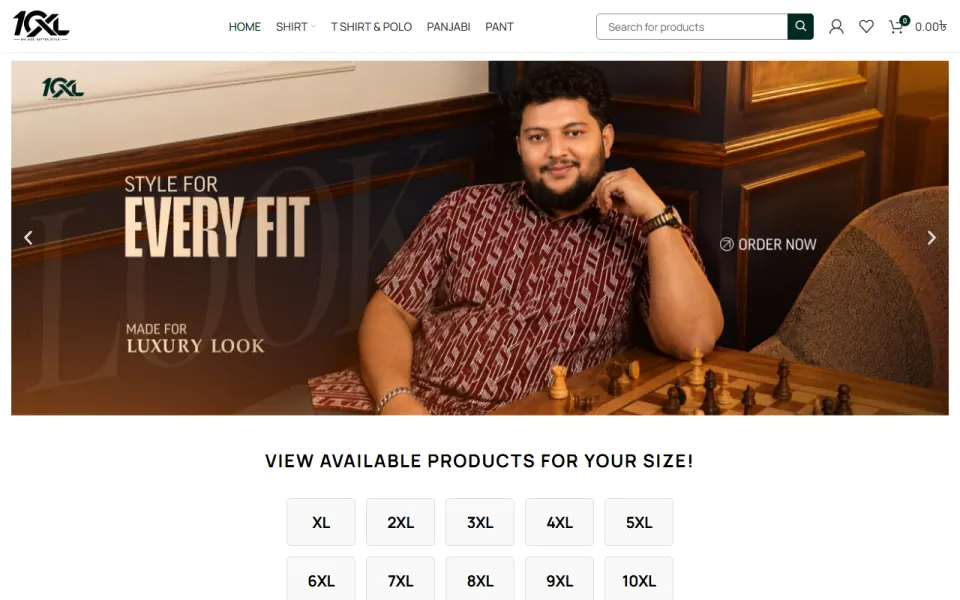
A menswear store built around shopping by size, from XL to 10XL.
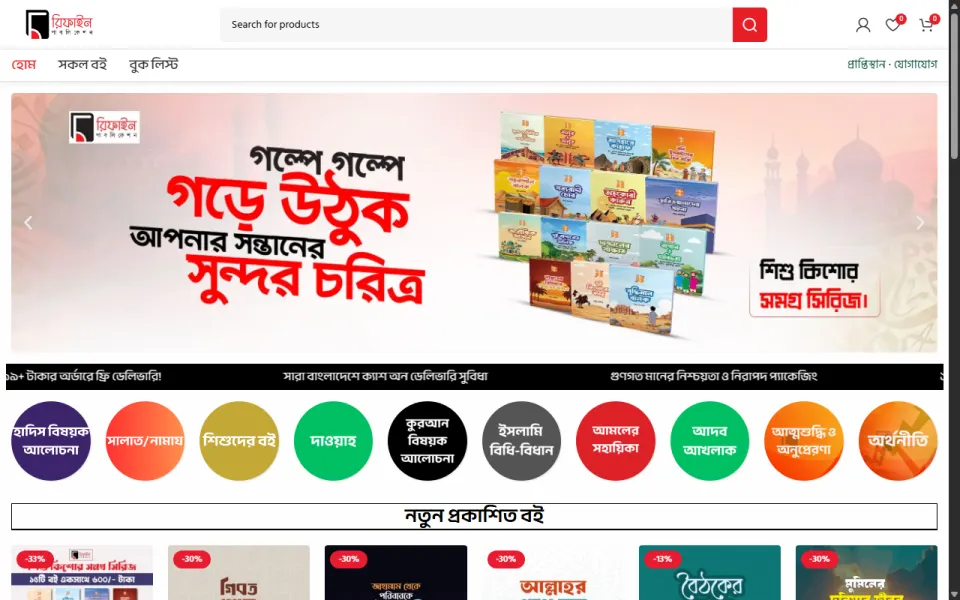
A Bengali-language online bookstore for Islamic publications.
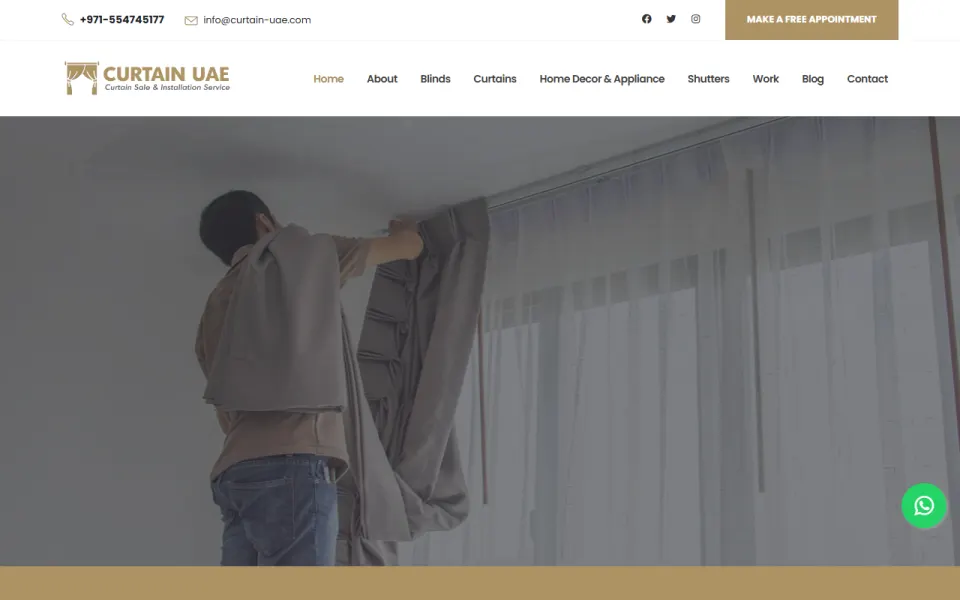
A service website for curtains, blinds and interiors in Dubai.
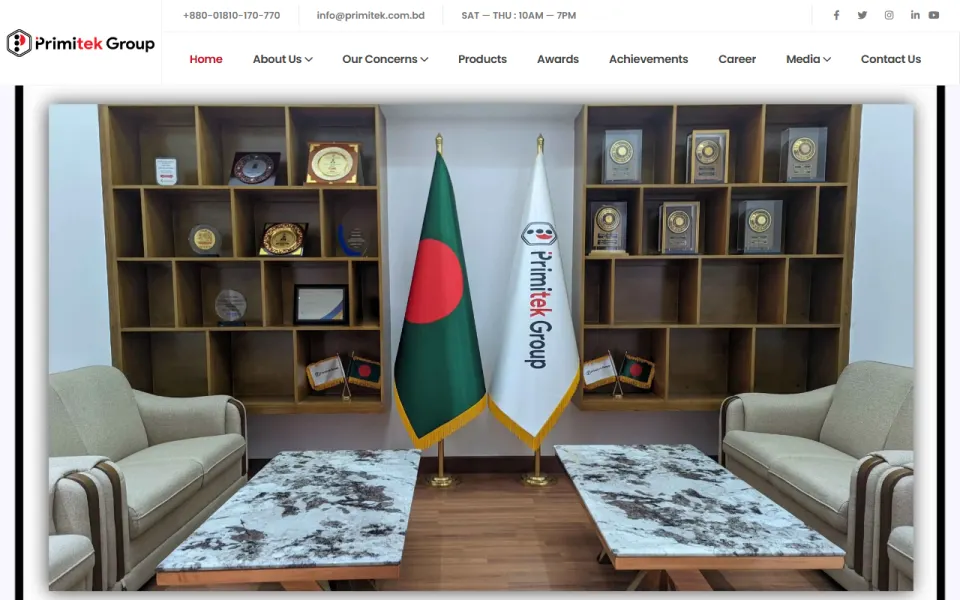
A corporate website presenting a Bangladeshi manufacturing group.
Planning a website for your business? Share the goal and we will help define the right first scope.
Get a website proposalOur clients
Your priorities
Explore the deliverables and select what matters to you. Add your shortlist to the enquiry; the proposal confirms the included work and any optional extras.
Working together
Explore the stages and the decisions that move the work forward.
Share your services, target customers, current website and planned ads. We agree the priority action, the pages needed and the content or integrations that might affect the project. The output is a defined scope and a list of inputs needed from each team.
Review the sitemap and key page layouts, including mobile screens. We organise the offer, supporting information and enquiry routes before visual details are finalised. Your team approves the direction and provides or reviews the agreed content.
Build the approved templates, editing controls, forms and integrations. Review working pages with real content and test the administrative tasks your team will use. Changes outside the agreed scope are reviewed before they affect cost or timing.
Check navigation, mobile layouts, keyboard access, forms, contact links and key technical SEO settings. Where measurement is included, verify that the intended actions are recorded. For a redesign, test retained URLs and redirects before switching traffic.
Complete the agreed launch checklist, confirm enquiry delivery and hand over editing guidance and access. After launch, use real visitor questions and agreed analytics to decide what needs improvement. Continued updates, content or campaign optimisation follow the support scope.
A website quotation depends on the number of distinct page layouts, content volume, CMS features, languages, integrations and any migration from an existing site. A focused campaign page and a multilingual corporate website require different scopes. We define the deliverables and review stages before confirming a price.
A launch schedule also depends on approved copy, images, account access and feedback. Share your preferred launch date at the start so the first release can be prioritised around it. Additional features can be planned as a later phase.
Ask for a clear breakdown of one-time development work and recurring costs: domain renewal, hosting, paid software, maintenance and any ongoing SEO or advertising. These are confirmed in the proposal; advertising spend is separate from website development.
Discuss cost and timingQuestions, answered
Scope, cost and practical considerations before you decide.
The cost depends on unique layouts, CMS functionality, content, languages, integrations and migration work. Share the type of website, approximate pages and required features for a scoped proposal. Our project planner offers an indicative range, not a binding quotation. Domain, hosting, paid tools and ongoing services should be listed separately.
We confirm a schedule after reviewing the scope and content readiness. Design approval, copy, images, integrations and feedback affect the timeline. If an ad campaign has a fixed launch date, tell us early: a focused landing page or smaller first release may be the right starting point. No delivery date is assumed before the scope is reviewed.
Yes. We can scope a dedicated page around the campaign offer and intended action, including mobile layout, FAQs and enquiry routes. Tracking setup can be included when the required accounts and privacy requirements are agreed. The ad should match the offer on the page; a landing page alone cannot guarantee leads or sales.
A landing page suits one offer and a focused campaign. A business website is more useful when buyers need to explore several services, products, company information or articles. We can scope either route and discuss how the initial work will connect to a broader website later.
The CMS can cover the content your team needs to maintain, such as pages, images, services, articles and SEO fields. We agree the editable areas and access roles before development. Major layout changes or new functionality may still require development work; routine editing is demonstrated during handover.
We agree who supplies each item in the proposal. Writing, editing, licensed images, domain registration and hosting can have separate costs and dependencies. You should provide accurate business details, approved claims and media you have permission to use. Existing domain and hosting arrangements are reviewed before deciding whether they need to change.
Technical SEO helps search engines discover and understand the site. Rankings also depend on content quality, competition, relevance, authority and ongoing work. We do not promise a specific position. If organic search is a priority, discuss SEO and content work alongside the website scope.
Yes. We review the current content, useful URLs, forms and any integrations before planning the replacement. The migration scope can include content transfer, redirects and launch checks. Access to the old site, hosting and relevant accounts helps identify dependencies and reduce avoidable disruption.
A bilingual website can be included in the scope. We plan language navigation, distinct URLs, complete translated content and the editing process for both versions. Confirm who supplies and approves translations so language support includes useful content, not just a language switch.
Integrations can be evaluated during discovery. We need to review the provider, account access, available APIs, data flow and failure handling. Payment processing, real-time inventory and complex customer portals usually require more scope than a standard business website. Third-party charges are separate where applicable.
The proposal should identify domain and hosting account ownership, administrator access, content, source-code handover and any third-party licence conditions. We document the items included in your project and the responsibilities after launch. This avoids treating subscriptions or licensed software as assets that can always be transferred.
Support is agreed with the project. Define the covered fixes, response arrangements, hosting responsibilities, backups and updates before launch. New features, ongoing content work, SEO and advertising management may require separate scopes. The website should have a named owner for routine maintenance after handover.
Start a project
Share your current website (if any), the type of site you need, your must-have features and your preferred launch date. We will review the brief and discuss the scope, dependencies and next steps. You can also contact us directly below.